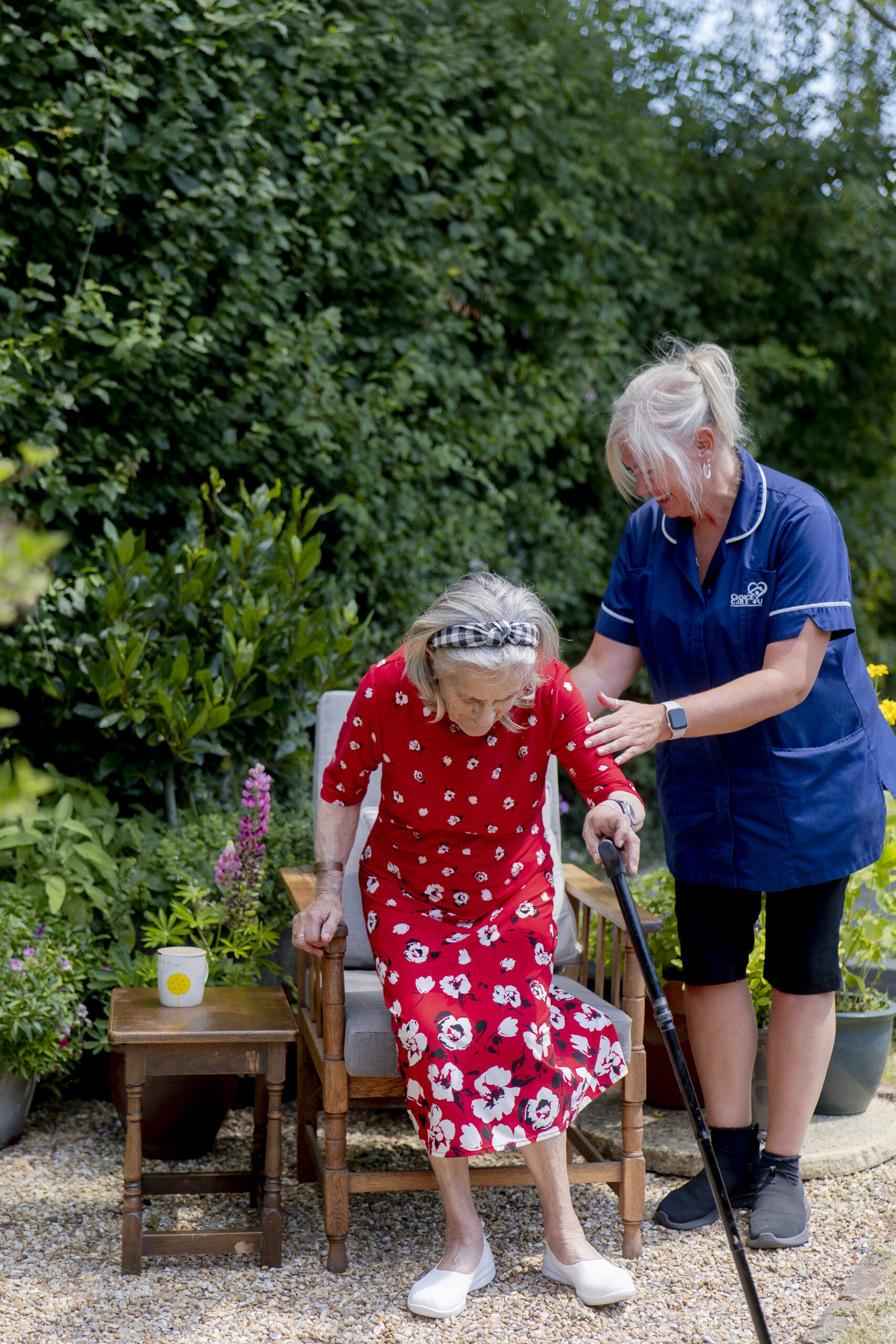
Choosing between live-in care vs. visiting care is one of the most important and emotionally significant decisions families face when arranging support for older adults. As the demand for care at home services continues to grow across the UK in 2026, more families are looking for alternatives to residential care that allow loved ones to remain at home safely, comfortably, and independently.

Both live-in care and visiting care fall under broader home care services, but they operate very differently in terms of structure, cost, and level of support. One provides continuous, round-the-clock assistance, while the other delivers scheduled help at specific times of the day.
This guide explains both options in depth, using updated 2026 UK care insights, so you can confidently decide which model of support best suits your loved one’s needs.
What Is Live-in Care?
Live-in care is a form of private home care for seniors where a trained caregiver lives in the home and provides ongoing, personalised support throughout the day and night. It allows individuals to remain in familiar surroundings while receiving consistent one-to-one care.
This model is particularly valuable for people who need regular assistance but want to avoid the disruption of moving into a care home. It also supports emotional well-being through constant companionship and reassurance.
What Live-in Care Typically Includes
- Personal care (washing, dressing, grooming)
- Meal preparation and dietary support
- Medication reminders and monitoring
- Mobility assistance and fall prevention
- Household tasks such as cleaning and laundry
- Companionship care at home and emotional support
- Optional overnight care at home supervision
- Help with appointments, errands, and routines
Live in care is often chosen when safety, continuity, and emotional stability are priorities. It is especially beneficial for individuals with dementia, Parkinson’s, or complex mobility issues.
What Is Visiting (Domiciliary) Care?
Visiting care, also known as domiciliary care, is another form of home care services where carers visit the home at scheduled times to assist with specific tasks.
Unlike live-in care, carers do not stay in the home. Instead, they provide short, focused visits that fit around the individual’s daily routine.
This option is commonly used by people who are still fairly independent but require structured support at key points of the day.
What Visiting Care Typically Includes
- Morning and evening routine assistance
- Medication prompts
- Meal preparation
- Light housekeeping and laundry
- Short companionship visits
- Personal care support when needed
Visiting care is often flexible and scalable, making it a popular starting point for families exploring care at home services.
Live-in Care vs Visiting Care: Key Differences
Understanding live-in care vs. visiting care requires looking beyond cost. The real difference lies in continuity, independence, emotional support, and long-term suitability.
| Feature | Live in Care | Visiting Care |
| Support Level | Continuous 24/7 presence | Scheduled visits only |
| Care Model | One dedicated caregiver | Multiple rotating carers |
| Cost Type | Weekly fixed fee | Hourly rate |
| Emotional Support | High companionship | Limited interaction time |
| Independence | High support, less alone time | More privacy between visits |
| Best For | Complex or ongoing needs | Light to moderate support needs |
Pros and Cons of Each Care Option
Advantages of Live-in Care
- Continuous safety and supervision
- Strong caregiver relationship and trust
- Reduced loneliness through companionship care at home
- Suitable for dementia and complex needs
- Family peace of mind
- Stable daily routines
Limitations of Live-in Care
- Requires a spare room for the caregiver
- Higher weekly cost than basic visiting care
- Reduced household privacy
Advantages of Visiting Care
- Flexible scheduling
- Lower cost for light care needs
- Maintains independence and privacy
- Easy to start and scale up
- Ideal entry point into home care services
Limitations of Visiting Care
- No continuous monitoring
- Risk of gaps in care between visits
- May involve multiple carers
- Limited emotional continuity
Which Is Better: Live-in Care vs. Visiting Care?
There is no single correct answer to live-in care vs. visiting care. The best choice depends on the level of support required now and how needs may change in the future.

Live-in care is best when:
- Daily assistance is required
- There is a risk of falls or emergencies
- Cognitive conditions like dementia are present
- Emotional reassurance is important
- The family cannot provide regular support
Visiting Care Is Best When:
- The individual is mostly independent
- Support is only needed at specific times
- Budget is a key consideration
- Family provides informal care alongside services
Important Consideration
Care needs often increase over time. A flexible plan that can adapt is often the most practical long-term solution.
Funding Options for Care at Home Services
Understanding funding is essential when planning care at home services in the UK.
Main Funding Routes
- Attendance Allowance (non-means-tested support)
- NHS Continuing Healthcare (for complex medical needs)
- Local authority funding (based on financial assessment)
- Private funding for flexible access to care
Financial Threshold
- Savings above £23,250 typically require self-funding in England
Planning early can make accessing private home care for seniors easier and more sustainable.
Benefits of Private Home Care for Seniors
The benefits of private home care for seniors go beyond physical support and include emotional, social, and lifestyle improvements.
Key Benefits
- Staying in a familiar home environment
- Maintaining independence and dignity
- One-to-one personalised support
- Reduced stress compared to residential care
- Improved emotional well-being through companionship
- Flexible care that adapts to changing needs
Both live-in care and visiting care support ageing in place, which is increasingly preferred by families across the UK.
FAQs
Live in care provides continuous, 24/7 support in the home, while visiting care delivers scheduled help at specific times. The key difference is continuity; live-in care ensures someone is always present, whereas visiting care only covers set visits.
Live-in care has a higher weekly fixed cost, but it can be more cost-effective when care needs are high. Visiting care may start cheaper, but costs increase significantly when multiple daily visits are required.
The benefits of private home care for seniors include staying in a familiar environment, maintaining independence, receiving personalised one-to-one care, and improved emotional well-being through consistent support and companionship care at home.
The best way is through a professional care needs assessment. This evaluates mobility, health conditions, safety risks, and emotional needs to determine which type of home care services is most suitable.
Yes, care plans are flexible. Many people start with visiting care and later transition to live in care as needs increase, ensuring continuous support throughout changing circumstances.