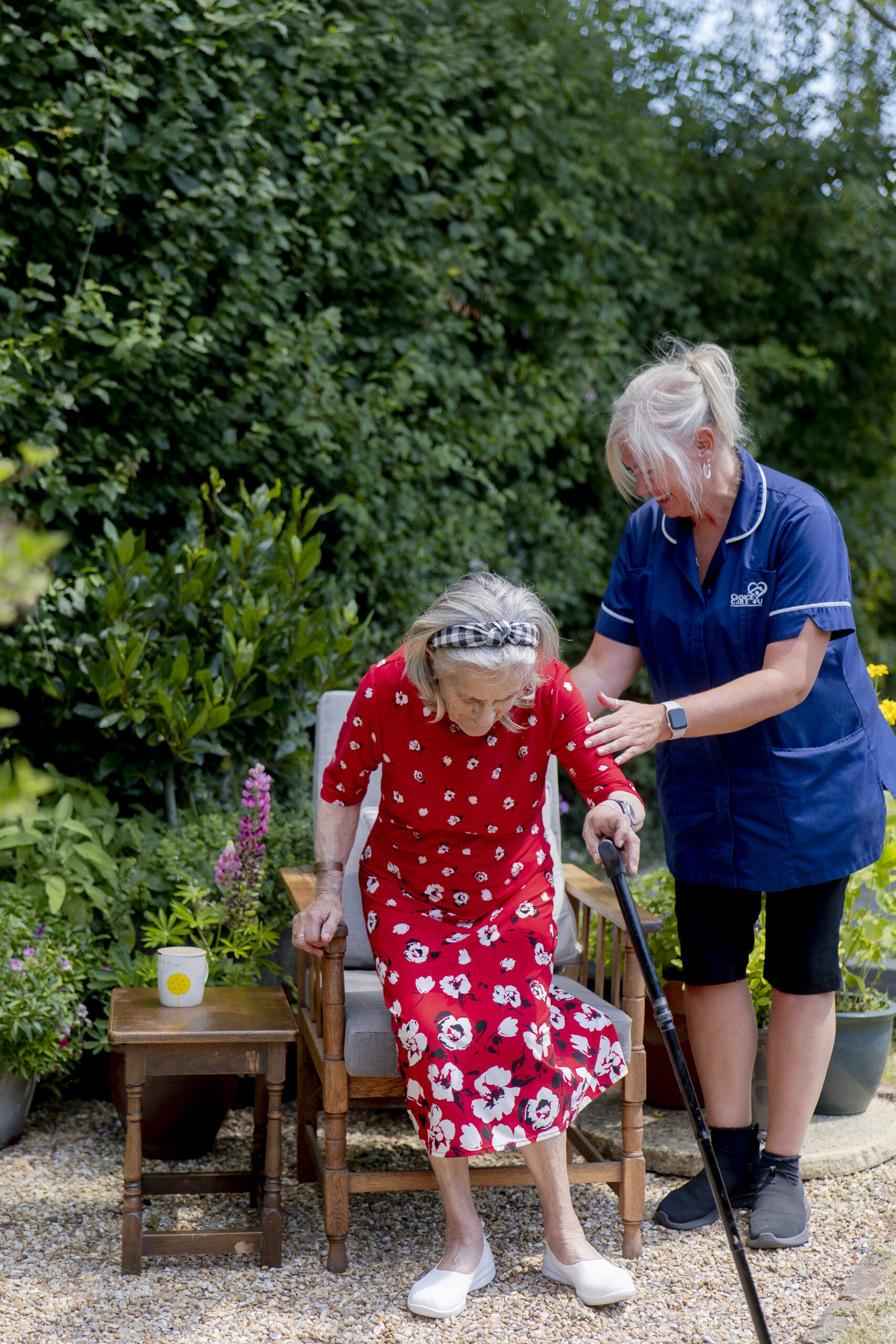

Dementia rarely begins with one dramatic moment. For most people, the early signs of dementia appear gradually, showing up as subtle changes in memory, communication, mood, and daily functioning. These shifts are often first noticed by family members and close carers, long before a formal diagnosis is made.
Understanding the early warning signs of dementia is essential for families supporting a loved one at home. Early recognition allows families to seek medical advice sooner, plan appropriate dementia home care support, and put the right support systems in place. This is especially important, as many people live with symptoms for months or even years before receiving a diagnosis.
Below, we outline the most common early signs of dementia that families notice, based on clinical research and caregiving experience, to help you identify when changes may be more than normal ageing.
Early Signs of Dementia Families Often Notice
Families are usually the first to recognise that something feels “different.” Rather than a single event, dementia typically begins with small yet persistent changes that gradually affect everyday life.
1. Memory Changes That Go Beyond Normal Ageing
Early dementia-related memory loss tends to affect recent information, while older memories may remain intact. Families commonly notice:
- Repeating the same questions or stories within a short period
- Misplacing everyday items such as keys, phones, or glasses and being unable to retrace steps
- Forgetting recent conversations, appointments, or events despite reminders
According to NHS data as of July 31, 2025, 506,549 patients had a recorded diagnosis of dementia. This highlights how commonly these early symptoms are now recognised.
2. Difficulties With Thinking, Planning, and Daily Tasks
Another early indicator is a change in how someone manages familiar tasks at home. Families may notice that their loved one:
- Takes longer to plan or organise activities like shopping, cooking, or managing finances
- Struggles to follow multi-step routines such as recipes, medication schedules, or household chores
- Becomes confused by dates, appointments, or the order of events
- Feels disoriented in previously familiar places
In people with young-onset dementia, these changes can persist for years before diagnosis.
3. Language and Communication Difficulties
Subtle changes in communication are a common early sign that families notice during everyday conversations. These may include:
- Difficulty finding the right word or losing words mid-sentence
- Trouble following group conversations or fast-paced discussions
- Increased use of vague phrases such as “that thing” or “you know”
- Withdrawing from conversations because speaking feels tiring or frustrating
These communication changes are now emphasised in NHS awareness campaigns.
As communication becomes more difficult, many people begin to avoid social situations. Companionship care can help people living with early dementia stay socially connected, providing regular conversation, emotional reassurance, and meaningful engagement without focusing solely on personal care.
For families in West Sussex, this type of support is often introduced early to reduce loneliness and anxiety while helping individuals remain confident at home through structured social support and familiar routines.
4. Changes in Mood, Personality, and Behaviour
Families often report emotional and behavioural changes before obvious memory loss appears. Early signs can include:
- Increased anxiety, irritability, or low mood
- Loss of confidence, particularly in social situations
- Withdrawal from hobbies, routines, or social activities
- Changes in judgement, impulsivity, or behaviour that feel out of character
Apathy and social withdrawal are recognised early symptoms and are frequently mistaken for depression alone, which can delay dementia recognition and access to appropriate home care support.
5. Visual, Spatial, and Physical Changes
Dementia can also affect how a person processes visual and spatial information. Families may notice:
- Misjudging distances, increased tripping, or difficulty with stairs and curbs
- Problems reading, judging speed when driving, or navigating busy environments
- Changes in sleep patterns, such as being awake at night and sleeping more during the day
- Changes in appetite, eating habits, or drinking routines
Across the UK, an estimated 944,000 people are living with dementia, including an estimate of 7.5%, or 70,800 people, with young-onset dementia, reinforcing the importance of recognising these signs even in working-age adults.
Who Should You Speak to First About Dementia in the UK?

If you’re concerned about possible dementia, the first professional to speak to in the UK is your GP. The GP can assess symptoms, rule out other causes, and refer you to an NHS memory clinic and local council support if needed.
Speak to the GP First (Initial Dementia Assessment)
The GP is the recommended first point of contact if you notice memory problems, confusion, or changes in behaviour in yourself or a loved one.
The GP can:
- Listen to concerns and take a full medical history
- Carry out basic memory and cognitive tests
- Check for other treatable causes (e.g. infections, depression, thyroid or vitamin deficiencies)
- Review current medications
- Decide whether a referral to a specialist memory clinic is appropriate
- Signpost early dementia support services
UK guidance from organisations such as Alzheimer’s Society and Alzheimer’s Research UK consistently confirms that a GP appointment is the first formal step toward dementia diagnosis.
What Is a Memory Clinic, and What Do They Do?
Memory clinics (also called NHS memory services) are specialist teams that carry out detailed dementia assessments.
Memory clinics can:
- Perform in-depth cognitive and functional assessments
- Arrange brain scans where appropriate
- Confirm or rule out a dementia diagnosis
- Identify the type of dementia
- Review or prescribe dementia medication
- Provide early post-diagnostic advice and support
These services are usually delivered by multidisciplinary teams, including psychiatrists, psychologists, dementia nurses, occupational therapists, and dementia navigators.
In most areas, a GP referral is required to access a memory clinic. Self-referral is less common, which is why contacting the GP first is essential.
When Should You Contact in the Local Council?
The local council’s Adult Social Care team supports people living with dementia and their carers, particularly with dementia care at home.
Under the Care Act 2014, councils can:
- Carry out a needs assessment (Section 9) for the person with dementia
- Carry out a carer’s assessment (Section 10) for family or unpaid carers
Help arrange or fund:
- Dementia home care
- Personal care and daily living support
- Respite care
- Equipment and home adaptations
- Community and day services
You can contact the council after a diagnosis or earlier if care needs are already affecting daily life. A diagnosis is not always required to request an assessment.
For many families, domiciliary care at home supports independence while reducing pressure on family carers, especially during the early stages of dementia.
This approach allows professional support to be introduced gradually, without disrupting familiar routines or environments.
What Dementia Home Care Support Is Available Before a Diagnosis?
You do not need a formal dementia diagnosis to get help. Early support focuses on maintaining independence, reducing stress, and preparing for potential care needs.
1. Voluntary and Charity Support
UK dementia charities provide information, advice, and emotional support before a diagnosis:
- Alzheimer’s Society and Alzheimer’s Research UK offer helplines, guidance, and online resources
- Memory cafes and peer support groups allow people experiencing memory changes to connect and share experiences
- Carer networks guide family members in noticing early signs of memory loss
These services are particularly valuable for coping strategies, social connections, and reassurance.
2. Community and Lifestyle Support
Maintaining routines, physical activity, and social engagement is key to supporting cognitive health before a diagnosis:
- Exercise and Brain-Stimulating activities: Walking groups, puzzles, hobby classes
- Community Engagement: Clubs, volunteering, and local social groups
- Assistive Technology: Reminder apps, medication alarms, and smart home devices
These interventions help preserve independence and reduce isolation for both individuals and family carers.
If you notice increasing difficulty with daily tasks or safety concerns, it may be time to consider additional support. Learn more about the signs that 24/7 dementia care may be needed.
3. Early Planning and Practical Support
Even without a diagnosis, planning makes later care easier:
- Home adaptations and safety assessments to prevent accidents
- Organising finances and legal matters, such as a lasting power of attorney
- Identifying potential home care services for when independence is affected
- Carer support: Local groups, respite planning, and guidance
Early planning helps families stay proactive rather than reactive.
Home Care vs Family Care in Early Dementia
When dementia is diagnosed, families often wonder whether family care or professional dementia home care support is better. In the UK, the best approach is usually a blended model, combining family support with early professional care.
Family Care in Early Dementia
Family carers provide emotional support, everyday supervision, and advocacy.
Typical roles:
- Encouraging routines and shared activities
- Reminding about medication, appointments, and tasks
- Liaising with doctors and memory clinics
Pros:
- Strong emotional bonds and trust
- Flexibility to respond to daily changes
- Continuity of identity for the person with dementia
Cons:
- Risk of carer stress, burnout, or isolation
- Safety gaps if carers are away
- Role strain, especially for spouses or adult children
Home Care in Early Dementia
Home care offers trained professional support at home, from short visits to live-in care.
Typical roles:
- Assistance with personal care, meals, medication, or companionship
- Dementia-specific strategies: communication, fall prevention, managing distress
- Planned, person-centred care
Pros:
- Maintains independence while supporting difficult tasks
- Relieves pressure on family carers
- Provides skills and structured routines
Cons:
- Short visits may not meet all emotional needs
- Can be costly if self-funded
- Some people with dementia may resist new carers initially
If you’re considering more intensive support or private dementia home care support options in West Sussex, read our guide on the top benefits of private dementia care.
Family Care vs Home Care: Quick Comparison
|
Aspect |
Family Care |
Home Care |
|
Primary role |
Emotional support, supervision |
Personal care, safety, tasks |
|
Relationship |
Personal, longstanding |
Professional, scheduled |
|
Skills |
Lived experience |
Dementia-trained professionals |
|
Availability |
Flexible but limited by other commitments |
Fixed shifts or visits |
|
Impact |
Emotional fulfilment, burnout risk |
Reduces family load, requires coordination |
|
Cost |
Unpaid |
Means-tested or private fees |
Palliative Care and Dementia Home Care Support
Many families are surprised to learn that palliative care is not limited to the final stages of dementia. Instead, it focuses on comfort, emotional well-being, dignity, and family support and can be introduced alongside dementia home support.
In dementia care, palliative support may help manage anxiety, sleep disturbance, pain, and emotional distress, while also supporting family carers with guidance and reassurance. Introducing this type of care earlier can significantly improve the quality of life for everyone involved.
Choice Care 4U explains how palliative care services delivered at home can support families affected by dementia, particularly when symptoms become more complex or distressing.
For families exploring ongoing support at home, understanding the benefits of domiciliary care for people with dementia can be an important step. Domiciliary care allows individuals to remain in familiar surroundings while receiving personalised support that adapts as dementia progresses. When combined with palliative care principles, this approach helps maintain comfort, dignity, and emotional well-being while also easing the pressure on family carers.
For families seeking localised support, dementia and palliative care in West Sussex is often coordinated alongside home care and community services to ensure comfort, continuity, and dignity as needs change.
How Choice Care 4U Supports Dementia Home Care
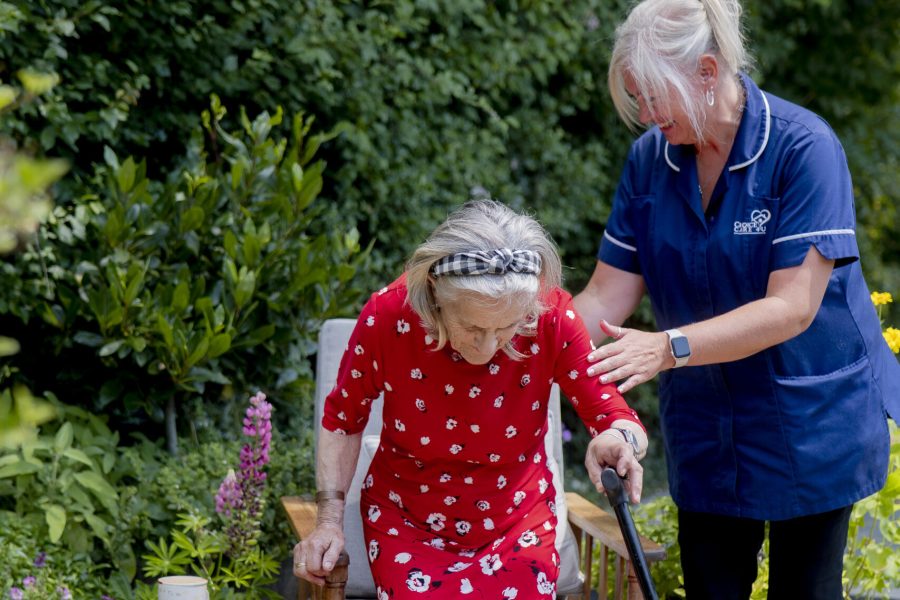
At Choice Care 4U, we specialise in professional dementia home care support, offering personalised care plans that:
- Support daily routines and memory prompts
- Promote independence and continuity of life at home
- Work in partnership with local support organisations in West Sussex
Our trained care staff understand the needs of people with dementia and connect you with local services, such as Carers Support West Sussex and Age UK, for social groups, therapy sessions, and advice.
In-home care can be especially beneficial for people living with dementia, as familiar surroundings help reduce confusion and anxiety.
You may also find our guide on the Top 10 Benefits of In-Home Care Services for Seniors in West Sussex helpful when considering care options.