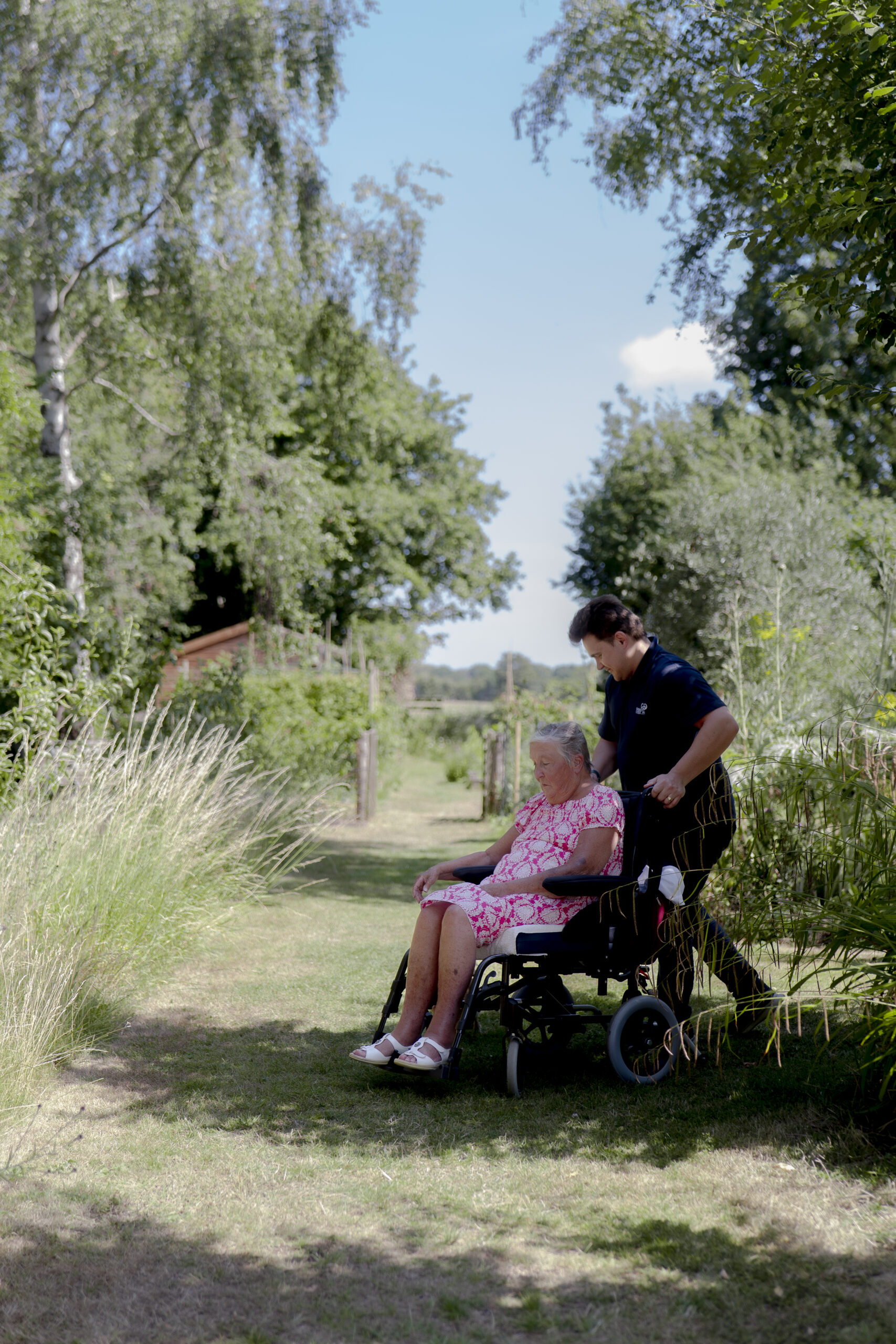
When someone you love is living with multiple sclerosis (MS), everything changes. The way you plan your day. The way your home is set up. Even how you think about the future. It can feel overwhelming especially when you’re trying to balance care with work, family, and everything else life throws at you.
If you’re a family member, primary caregiver, or someone living with MS, this guide is for you. We’ll walk through everything you need to know about multiple sclerosis home care and how it can transform daily life for everyone involved.
What is Multiple Sclerosis?
Multiple Sclerosis is a chronic condition that affects the brain and spinal cord. It’s like your body’s immune system getting confused and attacking healthy nerve tissue. This creates scar tissue that disrupts the flow of information between your brain and body.
Multiple sclerosis affects everyone differently. Some people may have trouble walking, while others struggle with fatigue or memory. Home care adjusts to those needs.
Common symptoms include:
- Difficulty walking or balance problems
- Extreme tiredness that doesn’t improve with rest
- Muscle spasms or stiffness
- Problems with memory or concentration
- Bladder or bowel issues
- Changes in mood or depression
These services aren’t just for the elderly, either. Many people living with multiple sclerosis are in their 30s, 40s, or 50s and still want independence. Home care services help make that possible.
Types of Multiple Sclerosis Home Care Services Available
1. Personal Care Services
This covers the basics that can become challenging with multiple sclerosis. Personal care services include help with:
- Bathing and showering safely
- Getting dressed when fine motor skills are difficult
- Toileting assistance while maintaining dignity
- Grooming and personal hygiene
The goal isn’t to take over. It’s to provide support so daily routines remain manageable and safe.
2. Companionship Care at Home
Multiple sclerosis can feel isolating. Symptoms like fatigue or mobility issues might make it harder to get out and socialise. Companionship care at home tackles this head-on.
A companion might:
- Engage in meaningful conversations
- Share hobbies or interests
- Accompany you on walks or outings
- Simply provide a friendly presence during difficult days
This isn’t just nice to have; it’s essential for mental and emotional wellbeing.
3. Respite Care at Home
Family caregivers often carry an enormous burden. Respite care at home gives them a break. This might be:
- Scheduled time off each week
- Coverage during emergencies
- Support during medical appointments
- Help when the primary caregiver is unwell
Respite care for disabled adults recognises that caring for someone with multiple sclerosis is a marathon, not a sprint. Everyone needs rest to avoid burnout.
4. Overnight Care at Home
Multiple sclerosis symptoms don’t follow a 9-to-5 schedule. Overnight care at home provides:
- Monitoring during night hours
- Quick response to falls or emergencies
- Assistance with nighttime medication
- Peace of mind for the entire family
Having someone there during vulnerable nighttime hours can make all the difference.
5. Domiciliary Home Care Services
These are regular, scheduled visits to help with routine tasks. Domiciliary home care services might include:
- Meal preparation
- Light housekeeping
- Medication reminders
- Help with appointments or errands
6. Emergency Home Care Services
Sometimes multiple sclerosis symptoms flare up suddenly. Emergency home care services provide rapid response when you need help fast. This could be during a relapse or when regular care arrangements fall through.
7. Palliative Care at Home
For those with progressive multiple sclerosis, palliative care at home focuses on comfort and quality of life. This specialised care includes:
- Pain and symptom management
- Emotional and psychological support
- Help with end-of-life planning
- Support for family members
Daily Challenges Families Face
Living with multiple sclerosis at home presents unique challenges that many people don’t anticipate.
Mobility and Independence
Simple tasks like climbing stairs or getting to the bathroom can become major obstacles. Many families find themselves scrambling to make their homes accessible. This might mean:
- Installing grab rails in bathrooms
- Adding ramps for wheelchair access
- Rearranging furniture to create clear pathways
- Installing stair lifts or shower seats
Managing Unpredictable Symptoms
Multiple sclerosis symptoms can change without warning. Someone might feel fine in the morning and struggle with fatigue by afternoon. This unpredictability makes it hard to plan daily activities.
Professional caregivers understand these fluctuations. They know how to adapt care plans on the fly.
Cognitive and Emotional Changes
Multiple sclerosis doesn’t just affect the body. It can impact thinking and emotions too. Memory problems, difficulty concentrating, and mood swings are common. This can be frustrating for everyone involved.
Family Caregiver Strain
Caring for someone with multiple sclerosis is exhausting. Family caregivers often experience:
- Sleep disruption
- Emotional stress
- Physical strain
- Social isolation
- Financial pressure
This isn’t sustainable long-term without support.
Local Support from Choice Care 4U in Chichester & Across West Sussex
If you’re in the West Sussex area, Choice Care 4U offers high-quality, compassionate home care services in Chichester, Selsey, Bognor Regis, Wittering, Arundel, and nearby areas.
As a CQC-registered provider, Choice Care 4U is deeply rooted in the local community and offers:
- Personalised care tailored to your needs, including specialist support for multiple sclerosis, dementia, mobility challenges, and complex care needs
- A team that understands the local area, with strong links to local healthcare providers and community services
- Fast response times in emergency or urgent situations
- Reliable, consistent carers who prioritise dignity, respect, and independence
Whether you’re looking for daily assistance, live-in care, or short-term support, Choice Care 4U is here to help.
Common Questions About MS Home Care
What symptoms mean it’s time for professional help?
When daily tasks become difficult or unsafe, when family caregivers feel overwhelmed, or when symptoms are worsening rapidly.
How do I know if we need respite care or more intensive support?
Start with an assessment from a professional home care provider. They can help determine what level of support would be most beneficial.
Can we get funding for Multiple Sclerosis care in West Sussex?
Yes, several funding options exist. Contact your local council’s adult social services or speak with the multiple sclerosis Society about available grants.
What’s the difference between respite care and palliative care?
Respite care provides temporary relief for family caregivers. Palliative care focuses on comfort and quality of life for people with progressive conditions.
How quickly can we access emergency home care?
At Choice Care 4U, we offer same-day or next-day emergency responses. It’s worth establishing a relationship with a provider before you need emergency help.
When daily tasks become difficult or unsafe, when family caregivers feel overwhelmed, or when symptoms are worsening rapidly.
Start with an assessment from a professional home care provider. They can help determine what level of support would be most beneficial.
Yes, several funding options exist. Contact your local council’s adult social services or speak with the multiple sclerosis Society about available grants.
Respite care provides temporary relief for family caregivers. Palliative care focuses on comfort and quality of life for people with progressive conditions.
At Choice Care 4U, we offer same-day or next-day emergency responses. It’s worth establishing a relationship with a provider before you need emergency help.
Explore Your Home Care Options Now
Living with multiple sclerosis doesn’t mean giving up independence or burdening your family. Professional multiple sclerosis home care can help maintain quality of life while providing peace of mind for everyone involved.
The key is starting early, before a crisis hits. Even if you don’t need intensive support right now, having a care plan in place makes everything easier down the road.
Consider reaching out to local providers like Choice Care 4U for a free assessment. We offer consultations where we visit your home, discuss your needs, and explain available options. There’s no obligation, but you’ll have valuable information when you need it.
Asking for help isn’t giving up; it’s taking control of your situation and planning for the future. You deserve support, and professional home care services are there to provide it.
Whether you’re in Chichester, elsewhere in West Sussex, or beyond, quality multiple sclerosis home care is available. The first step is simply picking up the phone and starting the conversation.