As more families choose to support loved ones at home rather than move them into residential care, demand for home care services in Chichester continues to grow. Whether you’re caring for an ageing parent, helping a family member recover after surgery, or looking for specialist dementia support, home care offers flexible, personalised assistance that allows people to remain safe and independent in familiar surroundings.
Across Chichester, Arundel, Selsey, Bognor Regis, Littlehampton, and surrounding communities, more people are choosing care at home because it provides one-to-one support tailored to individual needs while maintaining routines, independence, and connections with family and neighbours.
Unlike residential care homes, domiciliary care (also known as home care) is designed around the individual. Care can range from a few hours each week to full-time live-in support, depending on changing health needs and personal preferences.
What Are Home Care Services?
Home care services provide professional support to people who wish to continue living in their own homes while receiving assistance with everyday activities, personal care, medical needs, or companionship.
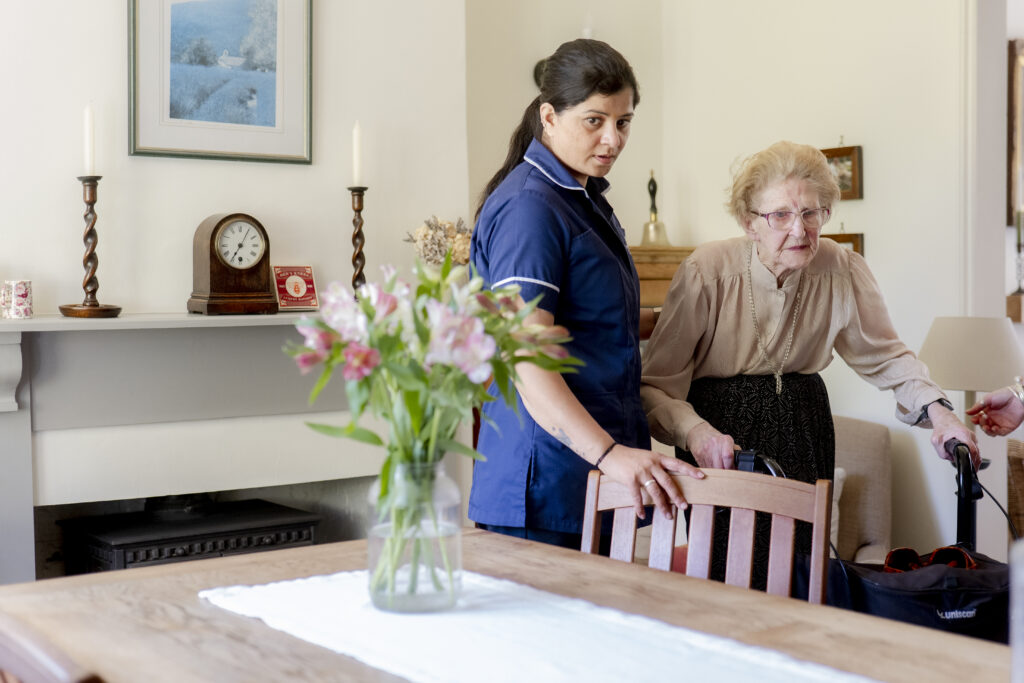
Depending on the person’s circumstances, a care plan may include:
- Personal care such as washing, dressing, and grooming
- Medication reminders or administration (where appropriate)
- Meal preparation and nutrition support
- Household cleaning and laundry
- Shopping and errands
- Transport to GP, hospital, or community appointments
- Companionship and social engagement
- Specialist support for conditions such as dementia home care or Parkinson’s disease
- Overnight or live-in care
Care plans are personalised and regularly reviewed, allowing support to increase or decrease as needs change.
For many families, home care provides reassurance that loved ones are receiving professional support while remaining in the comfort and familiarity of home.
Who Needs Home Care Services in Chichester ?
1. Older Adults Who Need Help with Everyday Living
One of the largest groups using home care services is older adults who want to remain independent but need some additional help with daily activities.
As people age, everyday tasks may become more challenging because of reduced mobility, arthritis and joint pain, balance problems, poor eyesight or hearing, general frailty, and memory changes.
Many people don’t require full-time care but benefit from regular visits to help maintain their independence.
Typical support includes:
- Assistance with washing and dressing
- Meal planning and preparation
- Household cleaning
- Laundry
- Shopping
- Transport to appointments
- Medication reminders
Early intervention often helps prevent falls, reduces hospital admissions, and enables people to stay safely at home for longer.
An older adult living alone in Chichester may only require morning visits to assist with personal care and breakfast preparation, while someone in Bognor Regis recovering from a fall may temporarily need two daily visits until they regain confidence and mobility.
2. People Living Alone Without Nearby Family
Many residents across Chichester live independently, often with family members living elsewhere in the UK. Without regular support, small challenges can gradually become larger concerns.
Common risks include:
- Missing medications
- Falls at home
- Poor nutrition
- Loneliness
- Difficulty attending appointments
- Declining household cleanliness
Professional carers provide practical assistance while also offering valuable social interaction.
For many clients, companionship becomes just as important as physical support. Regular conversations, shared activities, and community outings can significantly improve emotional well-being and reduce feelings of isolation.
This is particularly valuable in coastal retirement communities such as Bognor Regis and Littlehampton, where many older adults choose to age independently.
3. People Living with Dementia or Memory Loss
Home care plays an important role in supporting people living with dementia.
Remaining in familiar surroundings often helps reduce confusion and anxiety while allowing individuals to maintain established routines.
Support may include:
- Structured daily routines
- Medication management
- Meal preparation
- Personal care
- Memory prompts
- Safety monitoring
- Meaningful activities
- Companionship
Professional carers experienced in dementia care, like those from Choice Care 4U, understand how the condition progresses and adapt support accordingly.
For many families, introducing home care early allows loved ones to remain safely at home for longer before more intensive care becomes necessary.
4. People Managing Long-Term Medical Conditions
Many people require ongoing support because of chronic health conditions rather than age alone.
Home care can complement treatment plans by assisting with daily routines while encouraging independence.
Conditions commonly supported include:
- Parkinson’s disease: People living with Parkinson’s may need assistance with mobility, meal preparation, medication timing, personal care, and fall prevention.
- Diabetes: Carers can help support daily diabetes management through healthy meal preparation, medication reminders, blood glucose monitoring support (where appropriate), and recognising signs that medical advice should be sought.
- Heart and respiratory conditions: Individuals with heart disease or chronic respiratory illnesses may benefit from assistance with daily activities, energy conservation, medication routines, and attending healthcare appointments. Professional carers also monitor changes that may require further medical assessment.
5. People Recovering After Hospital Treatment or Surgery
Home care isn’t only for long-term support.
Many people arrange short-term care following:
- Hip or knee replacement surgery
- Orthopaedic procedures
- Cancer treatment
- Stroke rehabilitation
- Major illness
- Hospital discharge
Following discharge from hospitals, families often find that temporary home care bridges the gap between hospital treatment and full recovery.
Short-term home care can reduce stress for family members while helping individuals regain confidence more quickly.
6. People Receiving Palliative or End-of-Life Care
For individuals living with life-limiting illnesses, home can often be the most comfortable and familiar place to receive care.
Palliative home care services in Chichester focuses on improving quality of life rather than curing illness.
Support may include:
- Personal care
- Emotional support
- Pain management assistance alongside healthcare professionals
- Overnight care
- Family respite
- Practical household support
Many families value the opportunity to spend meaningful time together in familiar surroundings while receiving compassionate professional care.
Signs Someone May Benefit from Home Care Services in Chichester
Families sometimes wait until a crisis occurs before seeking support. However, arranging care early often helps people remain independent for longer.
Some common signs include:
- Frequent falls or near misses
- Difficulty preparing meals
- Missed medications
- Declining personal hygiene
- Unexplained weight loss
- Increasing forgetfulness
- Social withdrawal
- Difficulty managing household chores
- Missed medical appointments
- Family carers feeling overwhelmed
If several of these signs are becoming noticeable, arranging a professional care assessment can help identify the right level of support before problems become more serious.
Types of Home Care Services Available in Chichester
1. Visiting Home Care
Visiting care, sometimes called hourly care, is one of the most popular forms of home care in West Sussex. A professional carer visits the home at agreed times throughout the day or week to provide practical assistance while allowing the individual to remain independent.
Visiting care can include:
- Personal care and hygiene
- Medication reminders or administration (where appropriate)
- Meal preparation
- Housekeeping and laundry
- Shopping and errands
- Transport to appointments
- Companionship
- Welfare checks
Visits may last from 30 minutes to several hours, depending on individual needs. This option is ideal for people who remain largely independent but would benefit from regular support.
2. Live-In Care
Live-in care provides around-the-clock support while allowing someone to remain in their own home.
A dedicated live-in carer stays in the property and assists with daily living, providing reassurance for both the individual and their family.
Live-in care may be appropriate for people who:
- Have advanced dementia
- Require assistance throughout the day
- Are at high risk of falls
- Need overnight reassurance
- Have complex medical conditions
- Wish to avoid moving into a residential care home
Many families choose live-in care because it provides one-to-one support that is tailored to the individual’s routines, preferences, and lifestyle. For couples, live-in care can also be a practical alternative to residential care, allowing partners to continue living together while receiving the support they need.
3. Companionship Care
Not everyone seeking home care requires medical or personal care.
Loneliness and social isolation can significantly affect physical and mental well-being, particularly among older adults living alone. Companionship care focuses on improving quality of life through meaningful social interaction.
A companion from Choice Care 4U can help with:
- Friendly conversation
- Walking and gentle exercise
- Reading together
- Playing games or hobbies
- Accompanying clients to cafés or community groups
- Shopping trips
- Visiting local parks or attractions
- Attending appointments
Across towns such as Chichester, Arundel, and Selsey, companionship care helps many older residents remain active members of their communities while reducing feelings of isolation.
4. Specialist Dementia Care
People living with dementia often require support that evolves as the condition progresses.
Specialist dementia carers understand how memory loss affects communication, routines, and behaviour.
Support may include:
- Structured daily routines
- Medication support
- Nutrition and hydration monitoring
- Cognitive stimulation activities
- Safety supervision
- Emotional reassurance
- Support with personal care
Remaining in familiar surroundings can often reduce confusion and anxiety compared with unfamiliar environments.
5. Respite Care
Family carers provide invaluable support, but caring responsibilities can become physically and emotionally demanding.
Respite care gives unpaid carers time to:
- Rest and recharge
- Attend medical appointments
- Go on holiday
- Manage work commitments
- Spend time with other family members
Respite care can be arranged for a few hours, several days, or longer depending on individual circumstances.
Many families use respite care regularly to help maintain a healthy balance and reduce caregiver burnout.
6. Overnight Care
Some people require additional reassurance during the night.
Overnight care may involve:
- Assistance using the bathroom
- Medication support
- Monitoring for falls
- Repositioning to maintain comfort
- Responding to emergencies
Night care can be particularly beneficial for people living with advanced dementia, Parkinson’s disease, or reduced mobility.
How to Choose the Right Home Care Provider in Chichester
Choosing a home care provider is an important decision. The right provider should not only deliver high-quality care but also understand the individual’s preferences, routines, and long-term goals.
Whether you’re arranging short-term support after a hospital stay or ongoing care for an ageing relative, taking time to compare providers can help you make an informed choice.
- Look for a CQC-Registered Provider: In England, home care providers are regulated by the Care Quality Commission (CQC). Reading a provider’s latest inspection report can offer valuable insight into the quality of care they deliver.
- Ask About Carer Training and Experience: Different care needs require different levels of expertise. If your loved one is living with a complex medical condition, ask whether carers receive specialist training in areas. Experienced carers are better equipped to provide safe, compassionate, and person-centred care.
- Understand How Care Plans Are Created: A reputable provider should develop a personalised care plan based on an assessment rather than offering a one-size-fits-all approach. Care plans should also be reviewed regularly as needs change.
- Read Reviews and Testimonials: Online reviews can provide useful insight into how providers communicate with families and respond to changing needs. Where possible, ask friends, neighbours, healthcare professionals, or local support organisations for recommendations.
Frequently Asked Questions
Anyone who needs support with daily living, personal care, companionship, or ongoing health conditions may benefit from home care. Eligibility for local authority funding depends on a care needs assessment and a financial assessment.
Visiting care involves scheduled visits during the day, while live-in care provides continuous support from a dedicated carer living in the home.
Private home care can often begin within a few days, depending on the provider and the level of care required. If care is arranged through the local authority, timescales may vary following assessment.
Yes. Many families arrange temporary home care following hospital discharge to support recovery, reduce the risk of readmission, and help individuals regain confidence at home.
No. Home care is available for adults of all ages who need support because of illness, disability, injury, or recovery after surgery.
Many trained carers can provide medication reminders or assist with medication in line with agreed care plans and regulatory requirements.
It depends on the level of support required. For people needing only a few visits each week, home care is often more cost-effective. Those requiring continuous support should compare overall costs alongside the benefits of remaining at home.
Yes. A good home care provider will regularly review care plans and adjust support as health needs evolve.
Many providers offer specialist dementia care tailored to each stage of the condition. Remaining in familiar surroundings can often help reduce confusion and support independence.
If someone is struggling with personal care, forgetting medication, experiencing frequent falls, becoming socially isolated, or finding everyday tasks increasingly difficult, it may be time to arrange a professional care assessment.
Supporting Independence at Home
Home care services in Chichester is about much more than practical assistance. It enables people to maintain independence, remain connected to their communities, and continue living in the place they know best.
Whether support is needed for a few hours each week, during recovery from illness, or through long-term specialist care, the right care plan can improve quality of life for both individuals and their families.
Across Selsey, Chichester, Arundel, Bognor Regis, Littlehampton, Wittering, and communities throughout West Sussex, professional home care offers flexible support that adapts as needs change.
If you’re considering home care for yourself or a loved one, arranging an initial consultation with Choice Care 4U is an excellent first step. A personalised assessment can help identify the right level of support, explain available funding options, and provide reassurance that care will be tailored to your family’s unique circumstances.