Motor neurone disease is a progressive neurological condition that affects the brain and nerves, leading to muscle weakness and loss of mobility over time. While there is currently no cure, early detection can make a significant difference in accessing the right support, care, and comfort. For families in West Sussex, recognising the early signs of MND is an essential step in ensuring timely diagnosis and effective motor neurone disease care at home.
According to the Motor Neurone Disease Association (MNDA), around 5,000 people in the UK are living with MND at any one time, with about 6 new diagnoses every day. The disease typically progresses differently for each person, but spotting early symptoms at home allows families to prepare and seek professional help sooner.
In communities across West Sussex, from Chichester to Arundel and Wittering, families often rely on local home care services to support loved ones affected by this condition.
Because MND affects the motor neurons controlling voluntary muscles, symptoms often begin subtly. Here are some of the early signs that family members or carers may notice at home:
- Muscle Weakness and Fatigue: You might notice difficulty performing everyday tasks such as gripping a cup, buttoning clothes, or turning keys. Weakness in the arms, legs, or feet can cause stumbling or a “foot drop,” making walking challenging.
- Muscle Twitching and Cramps: Persistent twitching (fasciculations) in the arms, shoulders, or tongue, along with cramps, can indicate nerve damage. These are often among the first physical changes people experience.
- Difficulty with Fine Motor Skills: Simple movements like writing, using utensils, or brushing teeth can become more difficult as muscles weaken.
- Changes in Speech and Swallowing: A hoarse, slurred, or weak voice may develop, and swallowing food or liquids can become harder. These signs should not be ignored, especially if they worsen over time.
- Unexplained Weight Loss: As muscles waste, individuals may lose weight without changes in diet or activity. This can also lead to fatigue and decreased mobility.
- Coordination and Reflex Changes: Some may trip or fall more often due to poor balance or weakened reflexes. This is especially concerning for older adults living independently in West Sussex homes.
- Cognitive and Mood Changes: MND can affect thinking and emotions. Loved ones might notice irritability, forgetfulness, or emotional outbursts such as sudden laughter or tears.
- Breathing Difficulties: While often a later symptom, some may experience shortness of breath or shallow breathing earlier than expected. Monitoring changes in breathing during rest or sleep is crucial.
Recognising the early signs of MND allows families to seek a GP’s advice promptly. Early diagnosis enables the setup of tailored care at home services, access to mobility aids, and emotional and practical support. In West Sussex, professionals providing motor neurone disease care at home can help families manage daily routines and ensure comfort throughout every stage of the condition.
Supporting Loved Ones with Motor Neurone Disease at Home
Providing motor neurone disease care at home involves compassion, consistency, and professional guidance. Home carers from trusted providers like Choice Care 4U offer personalised support that focuses on maintaining dignity and independence for as long as possible.
Depending on individual needs, care may include:
- Personal and practical assistance such as helping with dressing, washing, and meal preparation.
- Companionship care at home such as providing emotional comfort and social interaction to reduce isolation.
- Overnight care at home to ensure round-the-clock support for individuals with limited mobility or breathing difficulties.
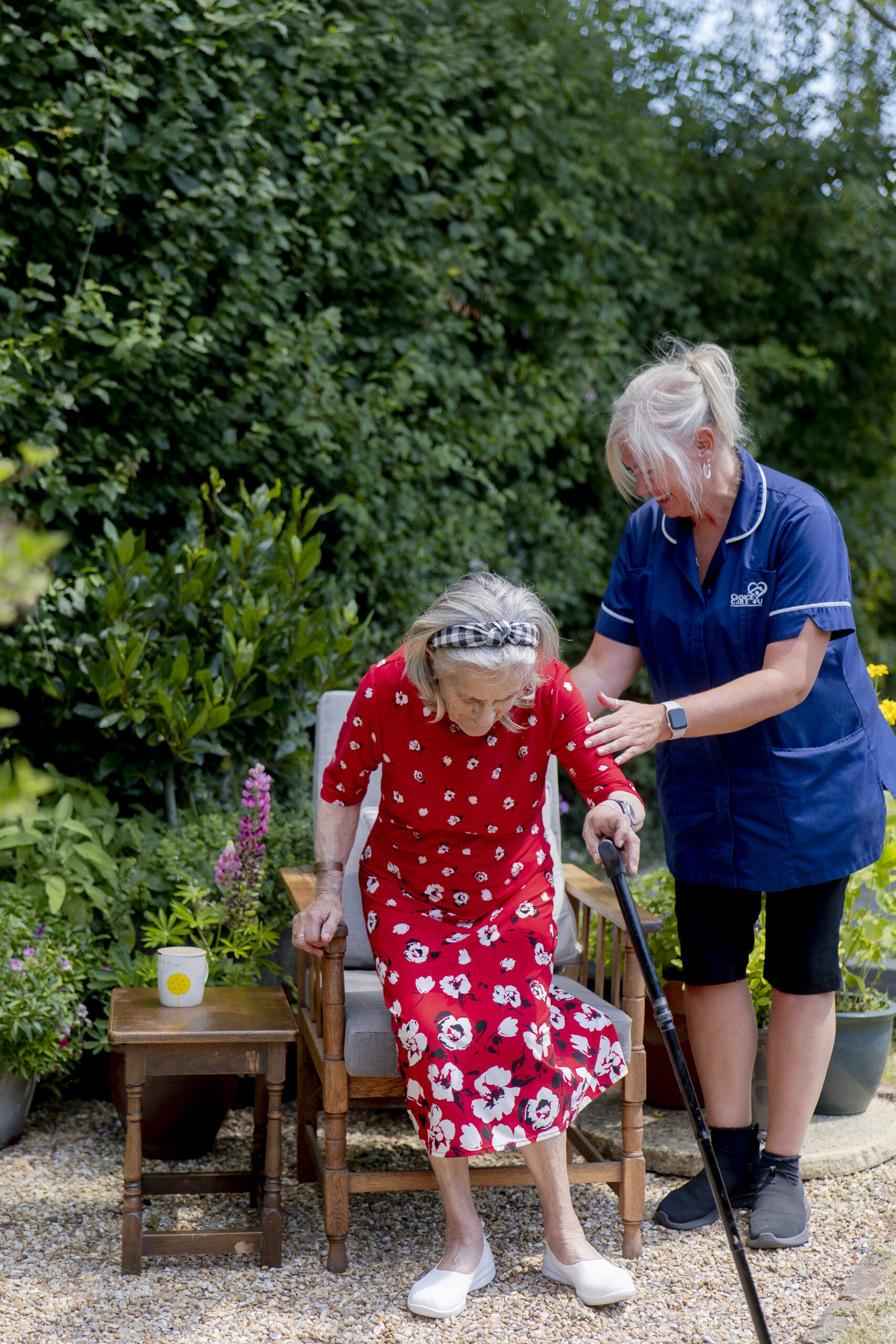
- Specialist mobility and safety support to reduce the risk of falls and ensure safe movement around the home.
Through these local home care services, families in West Sussex can rest assured that their loved ones are supported by trained professionals who understand the unique challenges of motor neurone disease.
How to Access Motor Neurone Disease Care At Home in West Sussex
Residents of Chichester, Arundel, Littlehampton, and the wider West Sussex area have access to a strong network of local healthcare and community support for people living with motor neurone disease.
Families can start by contacting the Motor Neurone Disease Association (MNDA), which provides invaluable guidance, local support groups, and connections to specialist MND nurses. These professionals can help coordinate medical appointments, access mobility equipment, and offer emotional support for both individuals and carers. The NHS Sussex Integrated Care Board also helps residents connect with community healthcare professionals, physiotherapists, speech therapists, and nutritionists who specialise in neurological conditions.
In addition to these public and charitable services, partnering with a trusted home care West Sussex provider such as Choice Care 4U ensures consistent and compassionate day-to-day support. Our team can deliver tailored motor neurone disease care at home, including assistance with mobility, personal care, and companionship care at home, as well as overnight care at home for those requiring continuous monitoring and reassurance.
By combining these resources, from medical and therapeutic support to personalised care at home services, families in West Sussex can create a comprehensive, person-centred care plan. This holistic approach helps individuals with motor neurone disease maintain dignity, independence, and comfort in the familiar surroundings of their own home.
Trusted Home Care Support for MND in West Sussex
Recognising the signs of motor neurone disease early can help you with planning the right care and support. By understanding these symptoms and acting promptly, families can ensure their loved ones receive the most effective motor neurone disease care at home, tailored to their individual needs and delivered with empathy and professionalism.
At Choice Care 4U, we understand how challenging it can be to navigate a new diagnosis. That’s why our team provides compassionate, person-centred care at home services that focus on maintaining dignity, comfort, and independence for as long as possible. From everyday assistance to companionship care at home and overnight care at home, our dedicated carers in West Sussex are here to help families find reassurance and stability through every stage of the condition.
With the right support, individuals living with MND can continue to enjoy meaningful moments at home, surrounded by familiar faces, trusted carers, and the comfort of their local community.
If you or someone you love in West Sussex may be showing signs of motor neurone disease, don’t wait to seek advice and care. Contact Choice Care 4U today to learn how our experienced team can provide reliable, personalised home care West Sussex families can truly count on.