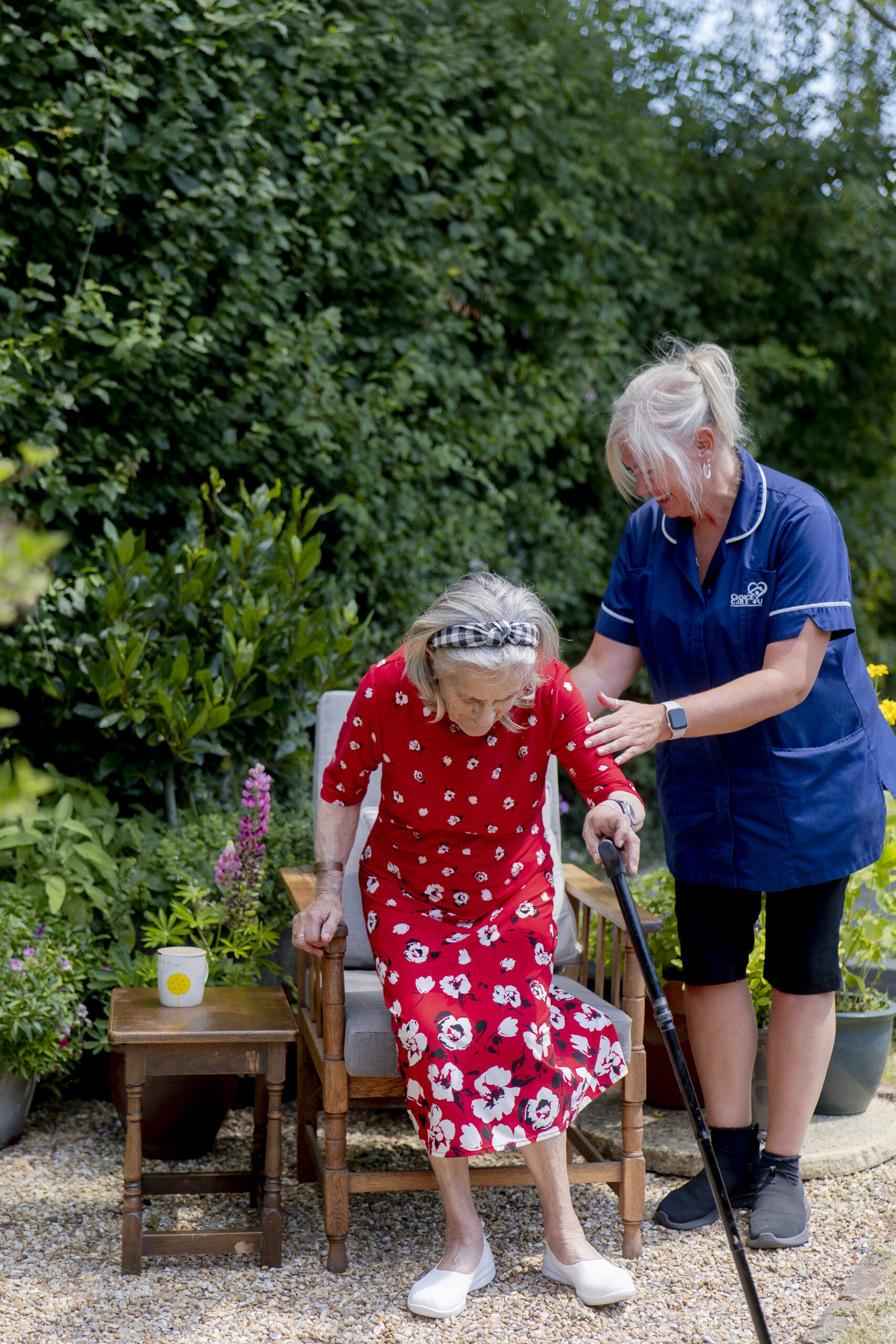
Palliative care at home is becoming an increasingly important option for families across West Sussex and the UK who are caring for someone with a serious or life-limiting illness. Rather than relying solely on hospital-based treatment, palliative care services bring medical, emotional, and practical support directly into the home.
For many people, staying home offers something hospitals cannot always provide: familiar surroundings, greater comfort, independence, and precious time with loved ones. Families in Chichester, Bognor Regis, Selsey, Wittering, Arundel, and Littlehampton are increasingly choosing home-based palliative care to help loved ones maintain dignity and quality of life while receiving professional support.
Families who are unsure whether they qualify for support may find it helpful to understand the eligibility requirements for care services. Read our guide on care at home eligibility criteria to learn who may qualify for funded or supported care.

What Is Palliative Care at Home?
Palliative care at home is specialised healthcare and support provided to people living with serious illnesses in their own homes rather than in a hospital, care home, or hospice setting.
The primary goal is to improve quality of life by managing symptoms, reducing distress, and supporting both patients and their families.
Home-based palliative care may include:
- Pain management and symptom control
- Support for breathlessness, fatigue, nausea, and anxiety
- Visits from community nurses and specialist palliative care teams
- Medication management and coordination with GPs
- Personal care assistance, including washing, dressing, and mobility support
- Emotional and psychological support
- End-of-life care planning
- Overnight care and urgent support when symptoms worsen
Many people assume palliative care is only for those nearing the end of life. In reality, it can begin shortly after a diagnosis of a serious illness and continue for months or even years alongside treatments designed to manage the condition.
When Does Palliative Care at Home Begin?
Palliative care can be introduced at any stage of a serious illness. Early involvement often leads to better symptom control, fewer emergency hospital admissions, and greater confidence in future care planning.
Conditions commonly supported through palliative care services include:
- Cancer
- Heart failure
- Chronic Obstructive Pulmonary Disease (COPD)
- Dementia
- Kidney disease
- Parkinson’s disease
- Motor neurone disease (MND)
- Other progressive neurological conditions
According to guidance from the National Institute for Health and Care Excellence, early palliative care can significantly improve quality of life for patients and families by addressing physical, emotional, and practical needs before a crisis develops.
Key Benefits of Palliative Care at Home
1. Better Symptom Management and Physical Comfort
One of the primary goals of palliative care is to relieve symptoms that affect daily life.
This may include:
- Pain relief tailored to individual needs
- Breathlessness management strategies
- Fatigue management
- Nausea and digestive symptom support
- Anxiety reduction
- Medication reviews and adjustments
Having healthcare professionals monitor symptoms regularly often prevents issues from escalating into emergencies.
2. Emotional and Psychological Support
Serious illness affects more than physical health. Patients and family members frequently experience stress, uncertainty, anxiety, and emotional exhaustion.
Home-based palliative care can provide:
- Emotional reassurance
- Counselling referrals
- Practical guidance
- Ongoing communication with healthcare professionals
- Support during difficult decisions
Receiving care from familiar professionals in a comfortable environment often reduces stress and improves overall well-being.
3. Maintaining Dignity and Independence
Remaining at home allows people to maintain control over many aspects of daily life.
Patients often have greater choice regarding:
- Daily routines
- Meal times
- Visitors
- Personal preferences
- Cultural and religious practices
This sense of control can play a vital role in preserving dignity during a challenging period.
4. Improved Quality of Life
Many patients report feeling more relaxed and comfortable at home than in clinical environments.
Benefits include:
- Familiar surroundings
- Time with family and friends
- Reduced disruption to daily life
- Personal belongings and treasured memories nearby
- Greater emotional comfort
For many families, home provides a sense of normality that can be difficult to achieve in hospital settings.
5. Reduced Hospital Admissions
Research consistently shows that well-coordinated community palliative care can reduce unnecessary hospital visits and emergency admissions.
By identifying concerns early and responding quickly to changing symptoms, healthcare teams can often manage issues safely at home.
This can help avoid:
- Severe pain crises
- Medication complications
- Breathlessness episodes
- Unplanned hospital admissions
What Services Are Included in Home Palliative Care?
Palliative care at home is usually delivered by a multidisciplinary team that may include:
- General Practitioners (GPs)
- Community nurses
- District nurses
- Specialist palliative care nurses
- Palliative medicine consultants
- Physiotherapists
- Occupational therapists
- Hospice-at-home teams
Support may also include:
- Hospital beds and mobility equipment
- Pressure-relieving mattresses
- Oxygen equipment
- Medication delivery services
- Emergency care plans
- 24-hour telephone advice services
Care plans are personalised and can be adjusted as a person’s needs change.

Home Care vs Hospital Care: What’s the Difference?
Both home-based palliative care and hospital care play important roles in supporting people with serious illnesses. The right option depends on an individual’s condition, symptoms, treatment needs, and personal preferences.
For many people, a combination of home and hospital care provides the best balance of medical support and quality of life.
Home-Based Care Often Provides:
- Familiar surroundings and a sense of security
- Greater involvement from family and loved ones
- More flexible daily routines
- Increased comfort and independence
- Personalised, one-to-one support
- The ability to remain close to pets, family, and cherished possessions
- Reduced stress associated with travelling to appointments or staying in the hospital
Many patients find that remaining at home helps them feel more relaxed and in control, which can have a positive impact on emotional well-being and overall quality of life.
Hospital Care May Be Needed For:
- Complex medical procedures and treatments
- Intensive monitoring of symptoms
- Emergencies requiring immediate intervention
- Specialist assessments and diagnostic tests
- Severe pain or symptoms that cannot be safely managed at home
- Access to equipment or treatments not available in the community
Hospitals provide essential care when symptoms become difficult to manage or when specialist expertise is required. However, many people prefer to return home as soon as it is clinically safe to do so.
Frequently Asked Questions
Yes. Palliative care can begin at any stage of a serious illness and is not limited to end-of-life care. Many people receive palliative support for months or even years while continuing treatments aimed at managing their condition. Palliative care focuses on improving comfort, reducing symptoms, and supporting emotional well-being throughout the illness journey.
The timeframe varies depending on individual needs and local service availability. Urgent referrals can often be prioritised and support may begin within a few days. Less urgent cases may take longer, particularly if assessments are required. If you believe additional support is needed, speaking with your GP or healthcare team as early as possible can help speed up the process.
No. It supports people living with many conditions, including heart failure, COPD, dementia, kidney disease, and neurological disorders. Anyone experiencing significant symptoms or challenges related to a serious illness may benefit from palliative care.
Most palliative care plans include emergency contact numbers, guidance for family members, and support from community healthcare teams. If a situation cannot be safely managed at home, hospital treatment may be recommended.
NHS-funded palliative care services are generally free at the point of use. This often includes medical care, nursing support, specialist palliative care visits, and some hospice-at-home services.
Yes. Care plans are flexible and can be adjusted as needs change, including additional visits, equipment, or care services.
How Choice Care 4U Can Help
At Choice Care 4U, we understand how important it is for individuals to remain comfortable, safe, and supported in familiar surroundings.
We provide compassionate home care services across Chichester, Bognor Regis, Selsey, Billingshurst, Pulborough, Storrington, Petworth, and the surrounding areas of West Sussex.
Whether you need assistance with personal care, respite support for family caregivers, companionship, or additional help alongside NHS palliative care services, our experienced team is here to help.
Contact Choice Care 4U
Phone: +44 1243 607502
Website: https://www.choicecare4u.co.uk
Service Areas: Chichester, Bognor Regis, Selsey, Arundel, Littlehampton, and surrounding West Sussex communities.
Why More Families Choose Palliative Care at Home
Palliative care at home helps people with serious illnesses live as comfortably and independently as possible while receiving professional support tailored to their needs.
By combining symptom management, emotional support, personal care, and family guidance, home-based palliative care can significantly improve quality of life for both patients and loved ones.
If you are caring for someone with a serious illness, speaking to your GP early can help ensure the right support is in place at the right time. Early planning often leads to better outcomes, greater comfort, and more confidence for everyone involved.